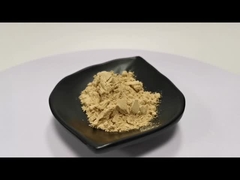
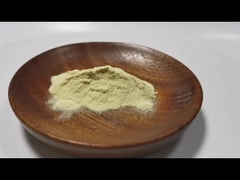
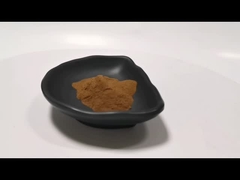
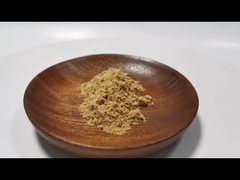
Brief: Wondering how Seabuckthorn Fruit Extract Powder compares to other options? This video provides a detailed walkthrough of this 100% natural, food-grade ingredient. You'll see its brown-yellow powder form and learn about its powerful bioactive compounds like flavonoids, Vitamin C, and Omega-7. We demonstrate its applications in food and beverage products, showing how it enhances nutritional value and sensory qualities.
Related Product Features:
Derived from 100% natural Seabuckthorn fruit (Hippophae rhamnoides) in brown-yellow powder form.
Rich in bioactive compounds including flavonoids at 10% or 30% specifications.
Contains exceptionally high Vitamin C content, 12 times more than oranges.
Includes rare Omega-7 fatty acid (Palmitoleic Acid) for mucous membrane repair.
Packed with potent antioxidants like Vitamin E, carotenoids, and flavonoids.
Versatile applications in health supplements, beverages, baked goods, and confectionery.
Enhances food products by improving color, fragrance, taste, and nutritional value.
Manufactured to food-grade standards with two-year shelf life and 80 mesh particle size.
FAQs:
What are the main bioactive compounds in Seabuckthorn Fruit Extract Powder?
The extract contains powerful bioactive compounds including Vitamin C (12x more than oranges), Omega-7 fatty acid for mucous membrane repair, flavonoids like Quercetin and Kaempferol for anti-inflammatory benefits, Vitamin E as a potent antioxidant, and carotenoids including Beta-Carotene and Lycopene for vision and skin health.
How can Seabuckthorn Fruit Extract Powder be used in food products?
This versatile powder can be used as a raw material in various food applications including wine, fruit juice, bread, cake, cookies, and candy. It serves as a natural food additive that enhances color, fragrance, and taste while significantly boosting the nutritional value of the final product.
What specifications are available for Seabuckthorn Fruit Extract Powder?
The product is available in 10:1 extract ratio with flavonoid concentrations of 10% or 30%. It appears as a brown-yellow powder that passes 80 mesh particle size, has a characteristic odor, and maintains a two-year shelf life when stored properly.