





| Place of Origin: | China |
|---|---|
| Brand Name: | Tonking |
| Certification: | ISO, HACCP, KOSHER, HALAL |
| Model Number: | TK-N-Acetylneuraminic Acid |
| Minimum Order Quantity: | 1kg |
| Packaging Details: | 1kg/bag, 25kg/drum or customized |
| Delivery Time: | 3-5 working days |
| Payment Terms: | T/T,Western Union, |
| Supply Ability: | 3000kg per month |
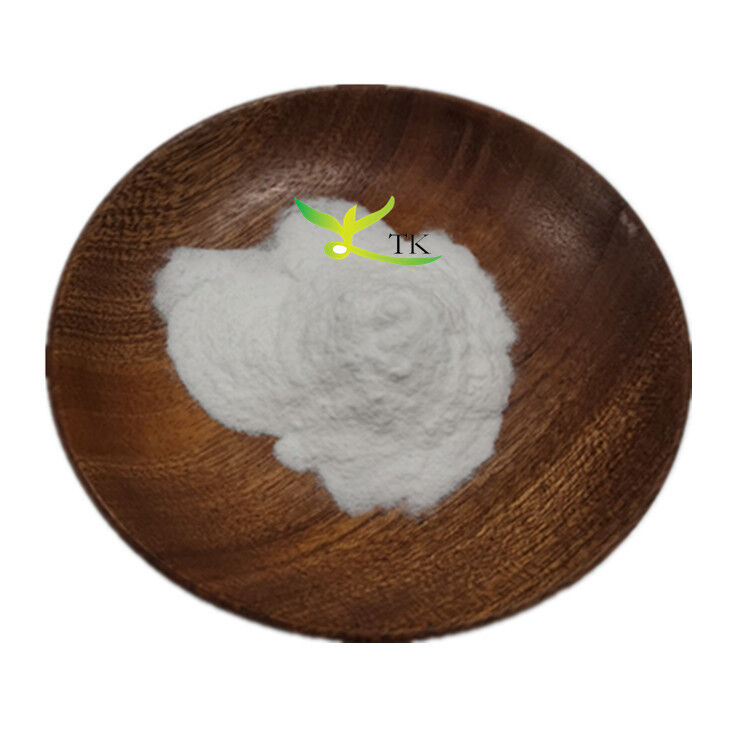
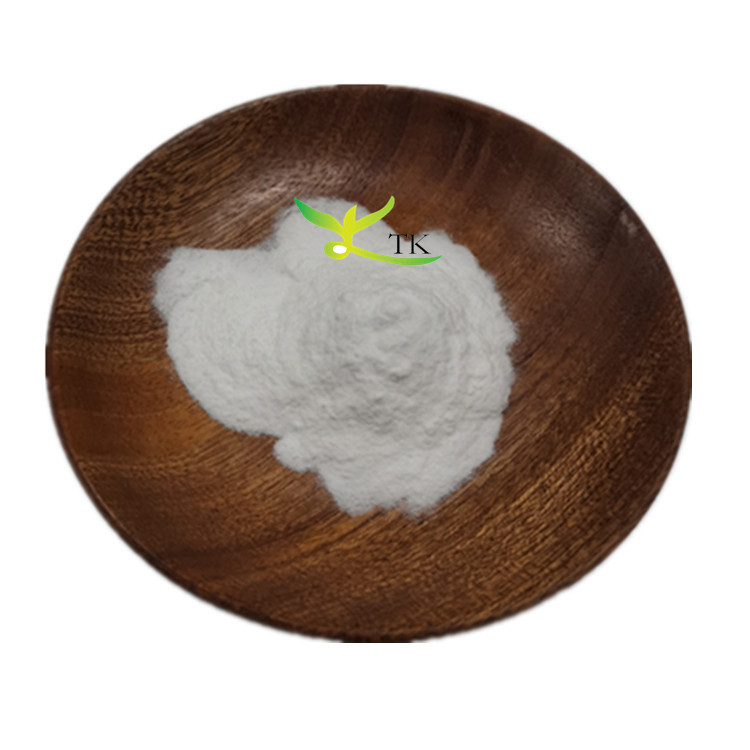
| Appearance: | White Powder | Part Used: | Nest |
|---|---|---|---|
| Spec: | N-Acetylneuraminic Acid 98% | Grade: | Food Grade, Cosmetic Grade |
| Application: | Healthcare Supplement, Cosmetics | Shelf Life: | 2 Years |
| Highlight: | N-Acetylneuraminic Acid powder,Sialic Acid plant extract,CAS 131-48-6 supplement |
||
High Quality Bird's Nest Extract Powder Sialic Acid 98% Bird Nest Extracted Powder
N-Acetylneuraminic acid (also known as sialic acid or bird's nest acid) is the predominant form of sialic acid found in human cells and many mammalian cells. It is a monosaccharide that plays critical roles in numerous biological processes.
The extract is valued because it captures the water-soluble bioactive components of the raw nest in a convenient, bioavailable form, eliminating the lengthy and skilled preparation process required for whole nests.
|
Product Name:
|
Bird's Nest Extract N-Acetylneuraminic Acid
|
| Part Used |
Nest
|
|
Spec./Purity:
|
N-Acetylneuraminic Acid 98% |
|
Appearance:
|
White powder
|
| Grade | Food grade |
|
Shelf Life:
|
24 months
|
|
Package:
|
1kg/ Bag, 25kg/Fiber Drum
|
|
Application
|
1. Functional foods
2. Healthcare supplement 3. Medicine field
4. Beverage
5. Cosmetic
|
N-Acetylneuraminic acid (sialic acid) is an endogenous monosaccharide that serves as:
1. A key biological molecule – The predominant sialic acid in humans, essential for cell membrane structure, neural function, and cellular recognition
2. An emerging cosmetic ingredient – The first new ingredient filed under China's reformed regulations (2021), with approved functions including anti-wrinkle, antioxidant, skin protection, and moisturizing at ≤2% concentration
3. A research compound – Shows potential in anti-melanogenesis, cardiovascular health, and as a neuraminidase inhibitor for antiviral research; however, most evidence comes from laboratory and animal studies