





| Place of Origin: | China |
|---|---|
| Brand Name: | Tonking |
| Certification: | ISO, HACCP, Kosher |
| Model Number: | TK-Vitamin A Powder |
| Minimum Order Quantity: | 1kg |
| Packaging Details: | 1kg per bag, 25kg per drum |
| Delivery Time: | 5-8 working days |
| Payment Terms: | T/T,Western Union, |
| Supply Ability: | 3000kg per month |
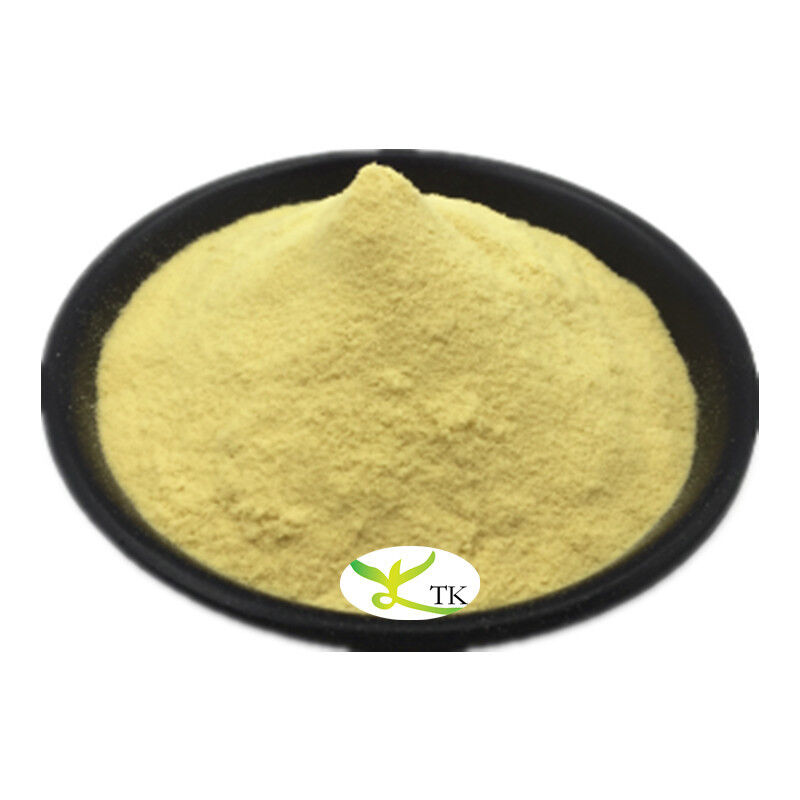
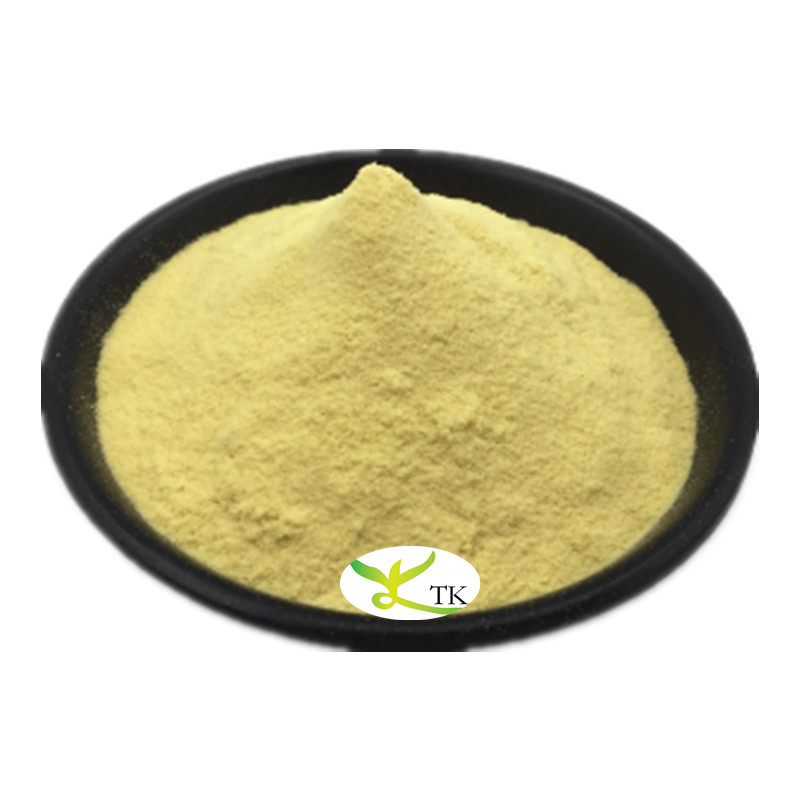
| Appearance: | Yellow Powder | CAS: | 68-26-8 |
|---|---|---|---|
| Grade: | Food Grade, Cosmetic Grade | Other Name: | Retinol |
| Shelf Life: | 24 Months | Package: | 1kg Per Bag, 25kg Per Drum |
| Highlight: | Retinol Vitamin A Acetate powder,Vitamin A Palmitate powder,Healthcare cosmetic raw material powder |
||
Healthcare And Cosmetic Raw Material Retinol Vitamin A Acetate Powder Vitamin A Palmitate Powder
Vitamin A powder refers to a dry, powdered form of vitamin A, an essential fat-soluble micronutrient. Because pure vitamin A (retinol) is unstable, these powders are produced using microencapsulation technology, which encases the vitamin in a protective matrix (e.g., starch, gelatin, or acacia gum) to ensure stability and allow for easy handling.
Vitamin A acetate (also known as retinyl acetate) is a synthetic, esterified form of vitamin A. It is the most common form used in food fortification and supplements because it is significantly more stable against oxidation than natural retinol (vitamin A alcohol).
Vitamin A Palmitate (also known as Retinyl Palmitate) is an esterified form of vitamin A. It is produced by esterifying retinol (vitamin A alcohol) with palmitic acid (a saturated fatty acid). This chemical structure makes it significantly more stable and resistant to oxidation than unesterified retinol, making it one of the most common forms of vitamin A used in food fortification and dietary supplements.
| Item Name | Retinol Powder |
| Appearance | Light Yellow Powder |
| Grade | Cosmetic Grade/ Food Grade |
| Specification | 98% |
| CAS |
Vitamin A acetate CAS 127-47-9 Vitamin A Palmitate CAS 79-81-2 |
| Application | Healthcare supplement, cosmetics. |
| Delivery Time | 3-5 days |
Benefits of Vitamin A Powder
Vitamin A powder can promote growth, reproduction, maintain normal secretion of bone, epithelial tissue, vision and mucosal epithelium and other physiological functions. Vitamin An and its analogues can prevent precancerous lesions. When lacking, it is characterized by growth retardation and decreased dark adaptation, resulting in night blindness. Dry eye disease occurs due to dryness, desquamation, hyperkeratosis and decreased secretion of lacrimal glands in epidermis and mucosal epithelial cells, and severe corneal malacia, perforation and blindness. The epithelial cells of the respiratory tract are keratinized and lose cilia, which reduces the resistance and is prone to infection. The recommended intake of vitamin A (RNI) for adults in China is 800 μ g retinol active equivalent per day for males and 700 μ g retinol active equivalent for females.
Vitamin A deficiency has clinical and functional features. Tolerance to primary vitamin A deficiency varies from person to person, depending on a range of geographical and epidemiological factors. The clinical manifestations of vitamin A deficiency are mainly the symptoms and signs of ocular, visual and other epithelial abnormalities.
Regular vitamin A supplementation is a rapid and direct way to improve vitamin A nutritional status.
It includes clinical supplements for children with clinical xerophthalmia, measles and malnutrition, targeted delivery of coverage by existing health services, and preventive supplements for all high-risk groups.